
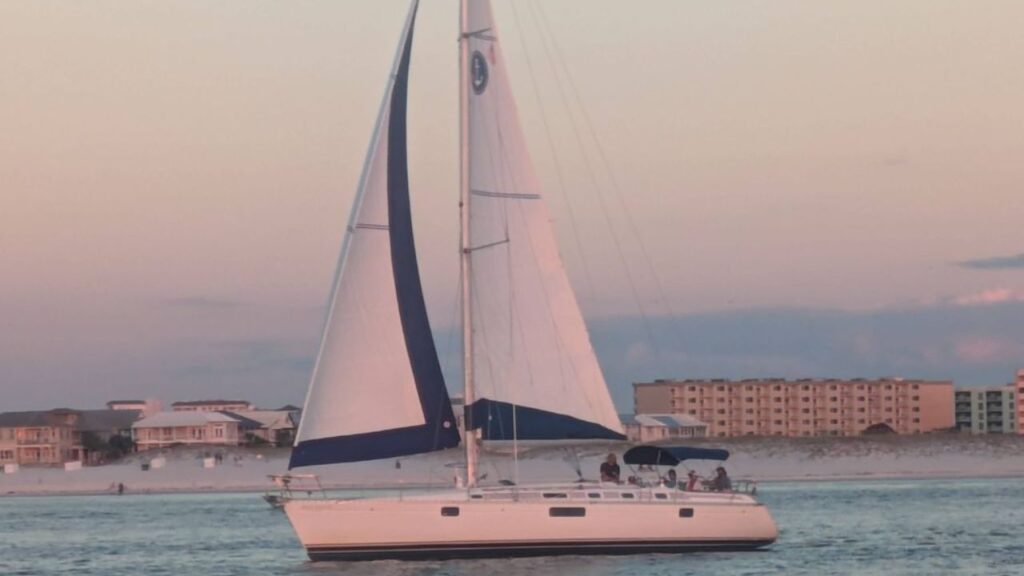
Destin offers good sailing conditions during much of the year, but every season feels different. Spring brings mild air, while summer brings warm Gulf water and hotter afternoons. Fall combines warm water with softer temperatures, which many visitors find comfortable.
Understanding weather in destin florida by month helps you choose a sailing date with fewer surprises. You can match the season with swimming, sunset views, or relaxed time outdoors.
The best month is not simply the warmest one. Your ideal choice depends on what you want from the water.
Weather in Destin Florida by Month: Quick Guide
Monthly averages give you a useful starting point before checking the actual marine forecast. Destin’s average high temperatures range from about 61°F in January to 90°F in August. Average Gulf temperatures range from about 64°F during winter to 85°F during August.
| Month | Avg High | Avg Low | Gulf Temp | Rainfall | Sailing Feel |
| January | 61°F | 42°F | 64°F | 4.0″ | Cool and quiet |
| February | 63°F | 44°F | 64°F | 4.3″ | Cool and mild |
| March | 68°F | 50°F | 66°F | 6.0″ | Mild spring sailing |
| April | 76°F | 58°F | 72°F | 4.5″ | Very comfortable |
| May | 83°F | 65°F | 78°F | 4.0″ | Warm and pleasant |
| June | 89°F | 74°F | 81°F | 3.4″ | Warm summer sailing |
| July | 89°F | 74°F | 83°F | 5.2″ | Hot and humid |
| August | 90°F | 74°F | 85°F | 7.2″ | Hottest Gulf water |
| September | 87°F | 70°F | 84°F | 7.1″ | Warm with storm awareness |
| October | 80°F | 59°F | 81°F | 6.8″ | Excellent balance |
| November | 69°F | 48°F | 72°F | 3.2″ | Cooler and peaceful |
| December | 63°F | 44°F | 64°F | 5.0″ | Crisp Gulf sailing |
These figures come from Destin Chamber’s published average weather statistics.
Destin Florida Weather by Month for Sailing
Knowing the numbers helps, but you probably want something more practical. What will each month actually feel like once you leave the marina?
January: Cool and Quiet
January brings average highs near 61°F and Gulf water around 64°F. You will want layers, especially once the boat begins moving.This month works better for sailing than swimming. Clear afternoons can still feel peaceful and refreshing on the Gulf.
Best for: Quiet sailing, sightseeing, and uncrowded coastal views.
February: Mild Days, Cold Water
February warms only slightly, with average highs around 63°F. The Gulf remains close to 64°F during the month. A sunny afternoon can feel pleasant onshore. Wind over open water makes the same temperature feel much cooler.
Best for: Couples, relaxed sightseeing, and cooler sailing days.
March: Spring Starts Showing
March averages around 68°F during the day. Gulf water temperatures rise slowly toward 66°F. You may get warm sunshine followed by a cool breeze. Packing one light outer layer usually makes sense.
Best for: Spring visitors who prefer mild temperatures.
April: Comfortable Sailing Weather
April feels like a real shift toward warmer weather. Average highs reach 76°F, while Gulf water reaches about 72°F. You can enjoy longer periods outside without midsummer heat. For many visitors, that balance feels just right.
Best for: Daytime sailing, families, and comfortable outdoor weather.
May: Warm Days and Better Swimming
May brings average highs near 83°F. Gulf temperatures climb toward a much friendlier 78°F. This is when swimming becomes more appealing for many travelers. The heat also remains easier than peak summer conditions.
Best for: Sailing with swimming and longer daytime outings.
June: Summer Sailing Begins
June arrives with highs around 89°F and Gulf water near 81°F. Summer clothes and strong sun protection become important. Warm water makes swimming especially tempting. Just remember that coastal conditions can change throughout the day.
Best for: Families, swimmers, and warm-weather travelers.
July: Warm Gulf and Hot Afternoons
July stays near 89°F, while average water temperatures reach about 83°F. Heat and humidity become part of the experience. This is the kind of month when shade feels valuable. Sunscreen and plenty of water should stay within easy reach.
Best for: Warm-water swimming and classic summer vacations.
August: The Warmest Gulf Water
August averages about 90°F, while Gulf water reaches around 85°F. It also has higher average rainfall than most months. That warm water feels wonderful for swimming. Still, short-term weather becomes more important than monthly averages.
Best for: Swimming, warm water, and heat-loving travelers.
September: Warm Water With Weather Awareness
September stays warm, averaging about 87°F during daytime hours. Gulf water remains near 84°F. The month also falls inside the Atlantic hurricane season. That makes flexible planning and current forecasts especially important.
Best for: Warm-water sailing with flexible travel plans.
October: One of Destin’s Sweet Spots
October brings average highs around 80°F. Yet Gulf water still averages a comfortable 81°F. You lose some midsummer heat without immediately losing warm water. That combination makes October especially appealing.
Best for: Sunset sailing, couples, families, and comfortable deck time.
November: Cooler and Peaceful
November temperatures fall toward an average daytime high near 69°F. Gulf water cools to roughly 72°F. Swimming becomes less important for many visitors. Sailing itself can become the main reason for heading offshore.
Best for: Quiet sailing and cooler coastal days.
December: Crisp Gulf Sailing
December averages around 63°F during the day. Gulf water returns to roughly 64°F. Dress in layers and expect cooler wind offshore. A mild sunny day can still produce a memorable trip.
Best for: Winter visitors who value scenery over swimming.
What Are the Best Months for Sailing in Destin?
There is no single perfect month for every traveler. The best choice depends on what you want once you board. For balanced temperatures, April, May, and October deserve close attention. Summer makes more sense if warm-water swimming matters most.
Use this simple guide:
- Best overall balance: April, May, and October.
- Best for warm swimming: June through September.
- Best for cooler sailing: November through March.
- Best for sunset comfort: Spring and early fall.
- Best for heat lovers: July and August.
You should still check current conditions before departure. Monthly averages cannot tell you what today’s Gulf will do.
Does Wind Matter More Than Temperature for Sailing?
Temperature gets most travelers’ attention, but sailors watch more than the thermometer. Wind can completely change how a day feels aboard. An 80°F afternoon may sound perfect from your hotel balcony. Stronger wind or rougher water can create a different experience offshore.
Before sailing, your captain will care about factors like:
- Wind speed and direction.
- Strong or sudden gusts.
- Waves and local swell.
- Storm development nearby.
- Visibility over the Gulf.
- Tides and changing currents.
This is where local experience becomes valuable. East Pass Sailing operates year-round from Destin Harbor aboard the 45-foot Space Dancer. The goal is not chasing perfect weather. The goal is choosing conditions that fit your group.
Is Morning or Afternoon Better for Sailing?
This question matters most during warmer months. Florida weather can change quickly once heat and moisture build. Summer thunderstorms are common across Florida, although timing depends on local wind patterns and daily conditions.
So, should you always book the morning? Not necessarily. Instead, check the marine forecast near departure time. Ask your crew about wind, storms, and conditions expected during your charter. Your booking time should serve the experience you want. Sunset lovers will naturally have different priorities than swimmers.
8 Smart Tips for Sailing in Destin Weather
Monthly weather gets you halfway through the decision. Good planning handles what happens on your actual sailing day.
Here are eight practical ways to prepare.
- Choose the month around your goal.
Summer suits swimming, while spring and fall offer milder temperatures. - Check marine weather before leaving.
General phone forecasts do not explain every condition offshore. - Watch summer storm development.
Keep plans flexible when thunderstorms appear in nearby forecasts. - Pay attention to wind conditions.
Wind affects comfort and the actual sailing experience. - Match swimming with Gulf temperatures.
Late spring through early fall offers warmer water. - Bring layers outside summer.
A Gulf breeze can feel cooler than expected. - Protect yourself from reflected sunlight.
Wear sunscreen, sunglasses, and lightweight sun-safe clothing. - Trust live conditions over averages.
Today’s wind and water matter more than yearly charts.
How Does Hurricane Season Affect Destin Sailing?
The Atlantic hurricane season officially runs from June 1 through November 30. Tropical systems can also develop outside those official dates.
That does not mean you should avoid Destin for six months. It means you should watch forecasts when tropical activity develops.
Think of hurricane season as a reason for flexibility. It is not a reason to assume every summer trip will face bad weather.
What Should You Wear on a Destin Sailing Charter?
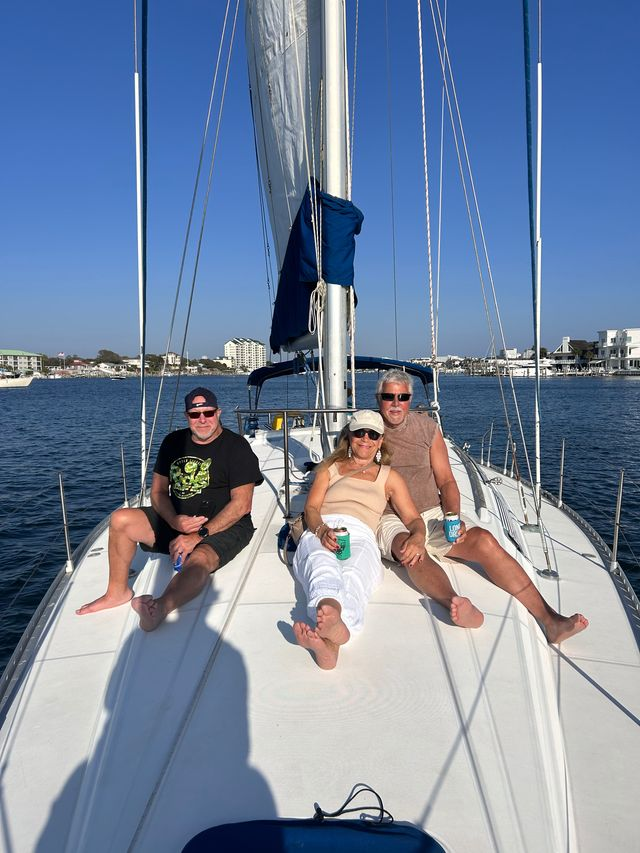
Your clothes should match the season and the water. Dressing for the hotel parking lot can leave you cold offshore. During summer, keep clothing light and simple. Quick-dry fabrics also help when swimming is part of your trip.
For other seasons, use a few basic layers:
- Spring: Light clothing with a thin outer layer.
- Summer: Cool clothes, sunglasses, hat, and sunscreen.
- Fall: Light layers for changing evening temperatures.
- Winter: Warm layers with wind protection.
Comfort matters more than dressing up. You can still get great sunset photos in practical clothes.
Choosing the Right Sailing Experience for the Weather
Once you understand weather in destin florida by month, think about the experience itself. Are you picturing swimming, sunset views, hands-on sailing, or simple quiet?
A Luxury Charter Service lets a small group shape the outing around those priorities. It also removes much of the crowded tour feeling. East Pass Sailing currently offers daytime sailing, Swim and Sail excursions, sunset cruises, sailing lessons, and longer trips.
That gives you several ways to match weather with your plans. A hot summer day may suit swimming, while October may feel ideal for sunset sailing. Reliable Luxury Sailing Charters In Destin, Florida become most useful when the experience matters as much as the destination.
Plan Around the Experience, Not Just the Temperature
Looking at weather in destin florida by month gives you useful numbers. The next step is asking what those numbers mean for your own trip. Families wanting warm swimming may lean toward summer. Couples seeking cooler sunset weather may prefer spring or October.
A Luxury Charter Service makes that choice easier because the trip centers on your group. You can focus on the kind of Gulf experience you actually came to enjoy. Weather sets the stage, but it does not create the memory. When the sails fill and Destin slips behind you, what kind of day do you want waiting ahead?
FAQs About Destin Weather
What month has the best weather in Destin, Florida?
April, May, and October offer a useful mix of warmth and comfort. Your ideal month still depends on swimming and heat preferences.
What is the rainiest month in Destin?
Destin Chamber averages show August at 7.2 inches of rainfall. September follows closely at about 7.1 inches.
That does not mean either month rains constantly. Monthly rainfall cannot predict your exact sailing day.
What month is the Gulf warmest in Destin?
August has the highest average Gulf temperature in the Destin Chamber data. Water temperatures average about 85°F during that month.
Can you sail in Destin during winter?
Yes, sailing experiences operate in Destin throughout the year. East Pass Sailing specifically lists year-round sailing from Destin Harbor.
Winter trips simply require warmer clothing. Swimming may also be less appealing because Gulf temperatures are cooler.
When is hurricane season in Destin, Florida?
The official Atlantic hurricane season lasts from June 1 through November 30.
Check current forecasts before coastal activities during that period. Conditions matter far more than the date alone